Puzzle Matching Game: A Playful Approach to Early Learning
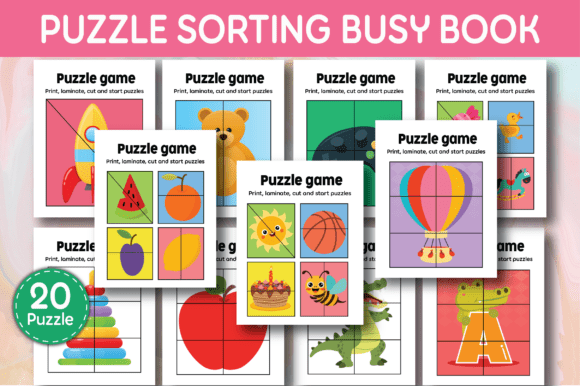
At first glance, the Puzzle Matching Game might seem like just another printable activity for kids, but it’s much more than that. Designed with simplicity and engagement in mind, this interactive learning tool blends education with entertainment, making it an ideal choice for parents, teachers, and caregivers. The game’s visual style is clean and colorful, featuring bold outlines and soft edges that appeal to young eyes without overwhelming them. Each puzzle is carefully structured to offer just the right level of challenge, encouraging toddlers and preschoolers to explore, experiment, and learn through play.
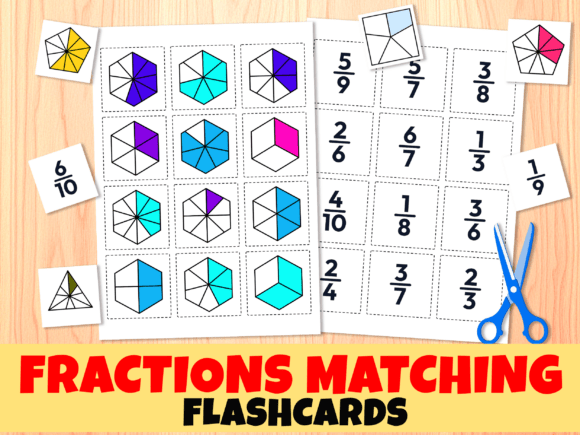
What makes the Puzzle Matching Game stand out is its tactile nature. Unlike digital apps that offer instant feedback, this printable game invites children to physically cut out pieces, match patterns, and complete images. This hands-on interaction supports the development of fine motor skills and hand-eye coordination while reinforcing cognitive abilities like pattern recognition and problem-solving. The act of cutting and matching also gives kids a sense of accomplishment, boosting confidence and encouraging persistence.
Visually, the game’s design follows a consistent and calming aesthetic. Each page is laid out with clear spaces for puzzle pieces, labeled sorting areas, and simple graphics that are easy to identify. The color palette is intentionally vibrant but not overstimulating, with high contrast between puzzle elements to help children distinguish shapes and forms. This thoughtful visual hierarchy makes it easier for young learners to focus on the task at hand, without getting distracted by unnecessary details.
How Puzzle Matching Game Supports Skill Development
One of the most valuable aspects of the Puzzle Matching Game is how it naturally supports multiple developmental milestones. As children manipulate the puzzle pieces, they’re building fine motor skills that are essential for writing, drawing, and other daily tasks. At the same time, the need to match shapes and complete images helps strengthen visual discrimination and memory. These are foundational skills for early literacy and numeracy, making the game a smart choice for home learning or classroom use.
- Fine Motor Skills: Cutting, holding, and placing puzzle pieces all require precise hand movements.
- Pattern Recognition: Matching puzzle halves teaches children to identify shapes, colors, and relationships.
- Problem Solving: Kids learn to think critically as they determine which pieces fit where.
- Visual Perception: Sorting and assembling puzzles help develop spatial awareness and attention to detail.
Because the puzzles are printable and reusable, they offer a sustainable alternative to one-time-use workbooks or disposable toys. This makes the Puzzle Matching Game a versatile option for learning centers, travel activities, or quiet time at home. The ability to print multiple copies also allows for group play or side-by-side comparison, which can spark collaboration and social interaction among young learners.
Where the Puzzle Matching Game Fits Best
The flexibility of the Puzzle Matching Game means it can be used in a variety of settings. Teachers can incorporate it into lesson plans as a station activity or independent work option. Homeschooling parents will appreciate how easily it integrates into structured learning time or free play. Even grandparents, babysitters, and daycare providers can use the puzzles to keep kids engaged while supporting developmental growth.
From a design perspective, the game’s clean layout and consistent visual language make it adaptable across different formats. Whether printed in black and white for a minimalist approach or in full color for a more vibrant experience, the puzzles maintain their clarity and usability. This adaptability also makes them suitable for digital tablets when used with touch-screen annotation tools, expanding their reach beyond traditional paper-based learning.
Designing for Engagement and Accessibility
The Puzzle Matching Game isn’t just about fun—it’s also about accessibility. The design team clearly considered how young children interact with printed materials. Thick outlines, large puzzle pieces, and minimal background clutter help reduce visual fatigue and confusion. The use of high-contrast colors ensures that even children with mild visual impairments can engage with the content without frustration.
From a layout standpoint, each puzzle page is designed with plenty of white space to avoid overwhelming the child. Titles and instructions are written in large, easy-to-read fonts, and the puzzle pieces themselves are sized for small hands. These design choices reflect a deep understanding of early childhood development and the importance of creating materials that are both age-appropriate and developmentally supportive.
Practical Tips for Using the Puzzle Matching Game
If you’re planning to use the Puzzle Matching Game with your child or in a classroom setting, here are a few tips to get the most out of it:
- Laminate for Reuse: Printing on cardstock and laminating the pages makes them durable and allows for repeated use.
- Introduce One Puzzle at a Time: Too many pieces at once can be overwhelming. Start with one or two puzzles and gradually increase the number as your child gains confidence.
- Use as a Language Tool: Talk through the puzzle pieces with your child—name colors, shapes, and objects to build vocabulary.
- Incorporate into Themes: Use the puzzles to support thematic units like “Fruits,” “Animals,” or “Shapes” for a more integrated learning experience.
- Store Smartly: Use ziplock bags or small containers to keep each puzzle set together and easy to access.
By taking a thoughtful approach to how the puzzles are introduced and stored, you can ensure they remain a go-to activity that continues to engage and educate over time.
Why the Puzzle Matching Game Works for Real-World Learning
What sets the Puzzle Matching Game apart from other early learning tools is its balance of simplicity and effectiveness. It doesn’t try to do too much, yet it supports a wide range of developmental goals. The fact that it’s printable and customizable means it can be tailored to suit individual learning styles, classroom needs, or travel-friendly formats. Whether used for independent play or guided instruction, the game provides a tangible, screen-free way for children to explore, learn, and grow.
For parents and educators looking for meaningful, low-prep learning activities, the Puzzle Matching Game is a standout choice. It’s not just a printable—it’s a tool for building skills, sparking curiosity, and creating moments of focused engagement in a world full of distractions.