Boost Fine Motor Skills with the Finger Coordination Game
What Exactly Is the Finger Coordination Game?
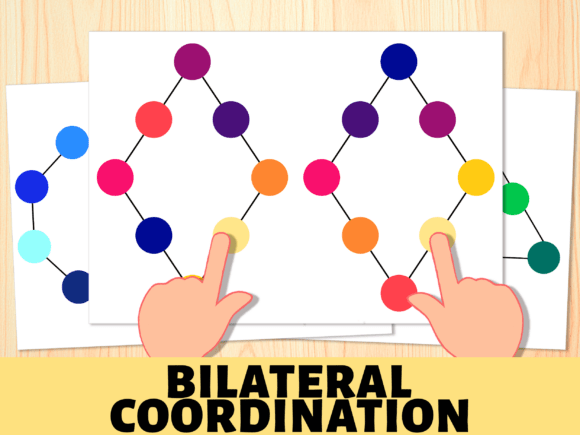
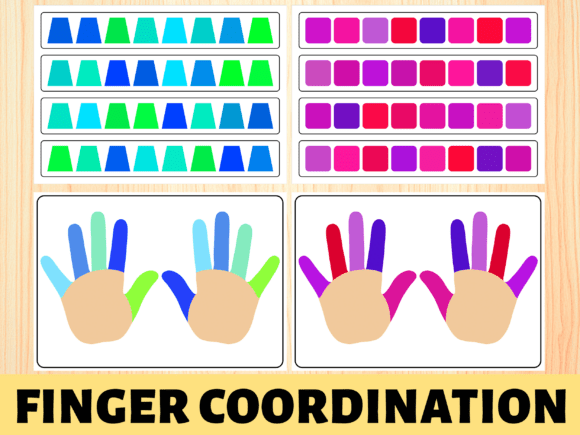
The Finger Coordination Game is a hands-on, printable activity designed to strengthen finger isolation, motor planning, and visual-motor coordination. It includes 110 pages of structured exercises, 10 hand guide templates, and 100 unique color-coded sequences that guide children through targeted finger movements. With no prep required and instant download access, it’s a practical tool for parents, educators, and occupational therapists looking to build foundational fine motor skills in a fun and engaging way.
Why Finger Isolation Matters in Everyday Development
Finger isolation is more than just a therapy buzzword—it's a critical skill that supports handwriting, typing, instrument playing, and even daily tasks like buttoning clothes or tying shoes. Children who struggle with finger control may face delays in school readiness or experience frustration during fine motor tasks. The Finger Coordination Game offers a playful yet structured way to address these challenges before they become long-term obstacles.
How This Tool Fits Into Real-World Learning
Imagine a preschool teacher setting up a morning fine motor station where kids take turns matching colored shapes to fingers. Or picture a homeschooling parent using the printable pack during quiet time to reinforce dexterity while working with another child nearby. The game’s simplicity and adaptability make it ideal for a wide variety of settings:
- Occupational Therapy Sessions: Therapists can integrate the game into weekly routines to track progress and provide visual feedback.
- Classroom Centers: Teachers can rotate the activity into motor skill stations, offering a screen-free, tactile learning experience.
- Home Practice: Parents can use it during downtime or as part of a sensory-friendly homework routine.
Who Benefits Most From This Printable Pack?
While the Finger Coordination Game is especially helpful for children aged 3–7, its benefits extend across multiple user groups:
- Occupational Therapists: Use it as a ready-made activity to target finger strength, coordination, and bilateral integration.
- Classroom Teachers: Incorporate it into fine motor centers or use it for students needing extra support during handwriting lessons.
- Parents: Help kids develop hand control at home without needing special tools or prior experience.
- Homeschooling Families: Add it to daily warm-up routines or motor skill blocks for structured, multi-sensory learning.
Practical Examples of the Game in Action
Let’s say a child is learning to write but keeps gripping the pencil too tightly. Their occupational therapist introduces the Finger Coordination Game to improve finger independence. Over time, the child becomes more aware of each finger’s role and starts applying that control to pencil grip and letter formation.
Another example: A Kindergarten teacher uses the game during small group time to help students who struggle with scissor control. By practicing controlled finger lifts, kids develop the dexterity needed to manipulate scissors with greater ease.
Even older kids who are learning to play piano or type may benefit from this kind of finger awareness training. The game’s color-coded system makes abstract motor concepts more concrete and easier to internalize.
Key Considerations Before You Start
Before diving in, it’s helpful to consider a few practical points:
- Child Readiness: Younger children might need guidance at first. Start with fewer fingers or shorter sequences to build confidence.
- Print Quality: For best results, print on cardstock or laminate the hand guides for repeated use.
- Engagement Level: Some kids may need encouragement or a reward system to stay focused, especially if they find the task challenging.
- Storage: Keep the printed pages organized in a folder or binder for easy access and long-term use.
Strengths That Make This Game Stand Out
Unlike generic fine motor activities, the Finger Coordination Game is highly structured, visually engaging, and adaptable. It allows for gradual skill progression, making it suitable for both beginners and those needing more advanced practice. Because it’s printable and requires no prep, it’s also a time-saver for busy professionals and parents.
Another major strength is its ability to blend motor development with cognitive engagement. Kids aren’t just moving fingers—they’re following sequences, recognizing patterns, and planning ahead, all of which support early learning and brain development.
Where It May Fall Short (And How to Work Around It)
While the game is excellent for building finger isolation, it may not fully address other fine motor challenges like grip strength or wrist stability. That said, it works well as part of a broader toolkit that includes activities like playdough manipulation, clothespin games, or weighted pencils.
Additionally, children with sensory processing difficulties may need modifications such as textured hand guides or verbal cues to stay engaged. The key is to adapt the game to the child’s needs rather than expecting them to conform to the activity exactly as written.
Final Thoughts
The Finger Coordination Game is more than just a printable—it’s a flexible, engaging, and effective tool for developing essential fine motor skills. Whether you're an occupational therapist designing a session plan, a teacher setting up a motor center, or a parent supporting your child’s development at home, this resource offers a structured yet playful way to build finger control and confidence. With 100 sequences and 10 hand guides, there’s plenty of variety to keep kids motivated and progressing over time.