The Role of Dice in Tabletop Strategy Games: Enhancing Chance, Luck, and Probability
Understanding Tabletop Strategy Games and the Use of Polyhedral Dice
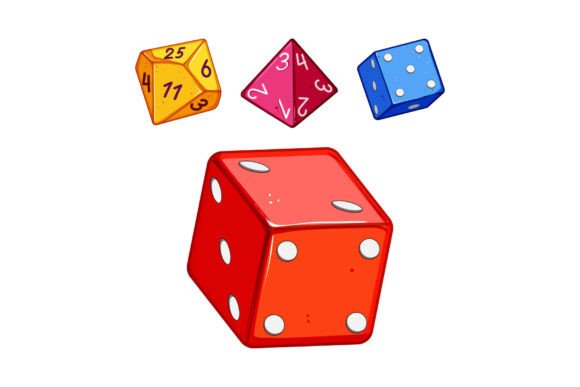
Tabletop strategy games often rely on polyhedral dice to introduce elements of chance and probability. These games, including Playing Various Tabletop Strategy Game D, integrate dice mechanics to simulate unpredictable outcomes, making gameplay more dynamic and engaging. Dice with different numbers of sides—such as d4, d6, d8, d10, d12, and d20—are used to determine combat results, resource allocation, or event triggers. Understanding how dice influence gameplay can help players evaluate whether this mechanic aligns with their strategic preferences and entertainment goals.
Why Players Are Drawn to Dice-Based Strategy Games
Many players enjoy the blend of strategy and randomness that dice introduce. Unlike purely deterministic games where outcomes are based solely on skill and planning, games like Playing Various Tabletop Strategy Game D allow for unexpected twists. This appeals to players who enjoy adapting to changing conditions and balancing calculated decisions with luck-based variables. Dice mechanics also lower the barrier to entry for new players, as they introduce variability that can offset experience gaps.
Additionally, the tactile and visual appeal of rolling colorful polyhedral dice enhances the physical experience of tabletop gaming. Collecting and using different types of dice adds a personal touch to gameplay, making each session unique and memorable.
Benefits of Incorporating Dice Mechanics in Strategy Games
- Increased Replayability: Random outcomes ensure that no two games are exactly alike, encouraging repeated play and exploration of different strategies.
- Dynamic Decision-Making: Players must adjust their plans based on dice results, fostering adaptability and creative problem-solving.
- Accessible Learning Curve: Dice can simplify complex probability calculations, making strategy games more approachable for casual players.
- Emotional Engagement: The excitement of rolling dice and the tension of uncertain outcomes enhance emotional investment in the game.
Tradeoffs and Considerations When Using Dice
While dice can enhance gameplay, they also introduce elements of unpredictability that may not suit all players. In games like Playing Various Tabletop Strategy Game D, a single dice roll can dramatically alter the course of the game, which may frustrate players who prefer full control over outcomes. Overreliance on dice can sometimes overshadow strategic depth, making games feel more like gambling than skill-based contests.
It’s also important to consider the quality and fairness of dice used. Poorly manufactured or unbalanced dice can skew probability and impact game fairness. Choosing high-quality polyhedral dice from reputable manufacturers is essential for maintaining balanced gameplay.
When Dice Mechanics Are a Strong Fit
Dice-based mechanics work well in scenarios where unpredictability enhances the experience rather than detracts from it. For example, in war games or adventure-based board games, dice can simulate the chaos of battle or the randomness of exploration events. In Playing Various Tabletop Strategy Game D, dice rolls might determine the success of a risky maneuver or the discovery of hidden resources, adding suspense and variety to each session.
These mechanics are also beneficial in multiplayer games where balance and fairness are crucial. Dice can act as an impartial arbiter of chance, reducing perceived biases in competitive play.
When Alternatives May Be Worth Considering
For players who prioritize pure strategy and deterministic outcomes, alternative mechanics such as card draws, action points, or set modifiers might be more appealing. These systems allow for more predictable planning and reduce the influence of luck. In games where player decisions are meant to be the sole determinant of success, removing dice can lead to a more satisfying and skill-focused experience.
Additionally, some games use hybrid mechanics that combine dice with other elements like card drafting or resource management. This allows for a balanced approach where chance plays a role but doesn’t dominate the gameplay experience.
Practical Insights for Evaluating Dice-Based Strategy Games
When considering whether to play a game like Playing Various Tabletop Strategy Game D, it's important to assess how dice are used within the game’s design. Ask the following questions:
- How often do dice determine outcomes? Are they used for minor decisions or major turning points?
- Is there a way to mitigate bad luck? Can players use strategy, rerolls, or modifiers to influence dice results?
- Does the game balance chance with skill? Does strategic planning still matter despite the randomness introduced by dice?
- What type of dice are used? Are they standard polyhedral sets, or does the game require custom dice with unique symbols or values?
Answering these questions can help determine whether a particular game aligns with your preferences for strategy, randomness, and overall gameplay experience.
Setting Realistic Expectations for Dice-Driven Gameplay
Players should approach games like Playing Various Tabletop Strategy Game D with the understanding that luck will play a role. While strategic thinking is still valuable, accepting the influence of chance can lead to a more enjoyable experience. Managing expectations around dice outcomes can prevent frustration and encourage a more flexible approach to gameplay.
It’s also helpful to recognize that different players may interpret the role of dice differently. Some may embrace randomness as a core part of the fun, while others may seek to minimize its impact through house rules or variant playstyles. Open communication with fellow players can help ensure that everyone enjoys the balance of strategy and chance in the game.
Conclusion: Is a Dice-Driven Strategy Game Right for You?
Whether a game like Playing Various Tabletop Strategy Game D is a good fit depends on your personal preferences for strategy, randomness, and replayability. If you enjoy adapting to unpredictable situations and appreciate the tactile and visual appeal of rolling polyhedral dice, then this type of game could offer a rewarding experience. However, if you prefer games where outcomes are determined solely by skill and planning, you may want to explore alternatives with less reliance on chance.
Ultimately, the decision comes down to how you value the balance between strategy and luck. By evaluating how dice mechanics are implemented in a game and considering your own tolerance for randomness, you can make a more informed choice about whether to invest your time and resources into a dice-driven tabletop experience.