Retro Game Controller - The Legend: A Deep Dive into Design and Utility
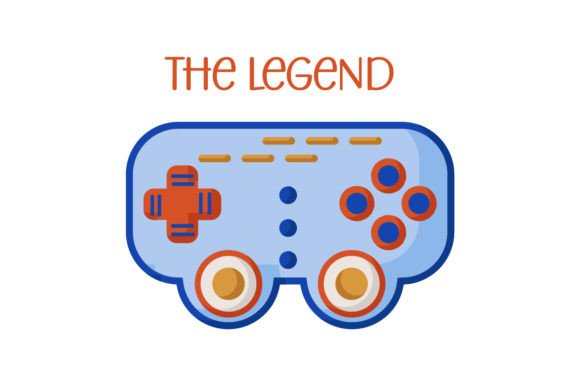
When it comes to the world of gaming, nostalgia often blends seamlessly with innovation. The Retro Game Controller - The Legend exemplifies this fusion, offering a modern take on classic design while maintaining functionality for a variety of applications. Whether you're a game developer, a graphic designer, or simply a fan of vintage aesthetics, understanding the versatility and technical aspects of this controller's design can open up a range of creative and practical possibilities.
Design Elements That Stand the Test of Time
The Retro Game Controller - The Legend is more than just a throwback to the golden era of arcade gaming—it's a meticulously crafted design that balances form and function. At its core, the design incorporates clean lines, iconic button layouts, and ergonomic curves reminiscent of early gaming hardware. However, it’s not just about aesthetics; the structure is engineered to be adaptable across digital and physical mediums.
- SVG File – Ideal for scalable graphics, the SVG format ensures the design remains crisp at any size, making it perfect for web interfaces, mobile apps, or vector illustrations.
- Transparent PNG – This format is excellent for overlaying the controller image onto various backgrounds without losing visual integrity, commonly used in UI/UX design and promotional materials.
- EPS – A go-to for print designers, the EPS format allows for high-resolution printing, ensuring the retro charm translates well onto posters, packaging, or merchandise.
- DXF – For those working in CAD environments, the DXF file enables precise engineering applications, from laser cutting to 3D modeling.
Each format serves a distinct purpose, allowing creators to implement the Retro Game Controller - The Legend across multiple platforms without compromising quality or design fidelity.
Practical Applications Across Industries
One of the most compelling aspects of the Retro Game Controller - The Legend is its adaptability. While it may have originated in the gaming sphere, its influence extends into education, product design, and even branding. Here are a few ways different industries are leveraging this design:
Educational Tools and Visual Learning
In classrooms and e-learning modules, visual engagement is key. The familiar shape of a retro controller can be used as a metaphor for interactivity, especially in courses related to game development, digital literacy, or media studies. Teachers can incorporate the Retro Game Controller - The Legend into presentations or digital worksheets to make lessons more relatable and visually stimulating.
Merchandising and Branding
Brands that want to evoke a sense of nostalgia or connect with a younger demographic often use retro-themed visuals. The controller design can be adapted for branded merchandise such as t-shirts, phone cases, or even packaging for tech accessories. Its recognizable silhouette makes it a strong visual anchor for marketing campaigns targeting retro gaming communities.
UI/UX Design and App Development
For app developers creating retro-themed games or interfaces, integrating the Retro Game Controller - The Legend into the user interface can enhance the overall theme. Whether as a background element, a button icon, or a loading animation, the design adds a layer of authenticity and charm to the digital experience.
Technical Considerations for Implementation
While the Retro Game Controller - The Legend is visually appealing, successful implementation requires attention to technical details. Here are some best practices when working with the different file formats:
- Optimize SVG for Web Performance – While SVGs are scalable, they can become bloated if not properly optimized. Use tools like SVGO or Illustrator’s save-for-web feature to reduce file size without losing quality.
- Use Transparent PNGs for Layered Designs – When overlaying the controller on complex backgrounds, ensure the PNG has a transparent background to maintain visual clarity and depth.
- Test EPS in Print Workflows – Before printing, test EPS files in your preferred layout software (e.g., Adobe InDesign or Illustrator) to confirm color accuracy and resolution.
- Leverage DXF for Precision Manufacturing – If using the design for laser cutting or engraving, double-check dimensions in your CAD software to ensure compatibility with manufacturing tools.
These considerations help ensure that the Retro Game Controller - The Legend not only looks great but also functions effectively within its intended environment.
Why This Design Resonates With Modern Audiences
The enduring appeal of the Retro Game Controller - The Legend lies in its ability to evoke a sense of familiarity while remaining relevant in contemporary design landscapes. This duality is what makes it so versatile across media and industries. Below are some reasons why this design continues to resonate:
- Nostalgia Factor – For many, the sight of a classic game controller brings back memories of childhood gaming sessions. This emotional connection makes it a powerful visual tool for storytelling and branding.
- Minimalist Aesthetic – The design’s simplicity allows it to be easily stylized or incorporated into a variety of themes without overwhelming the overall composition.
- Cultural Relevance – Retro gaming has seen a resurgence in recent years, with indie games and remastered classics gaining popularity. The Retro Game Controller - The Legend taps into this trend, making it a relevant and recognizable symbol.
- Versatility in Color and Texture – Whether used in monochrome, neon, or metallic finishes, the design adapts well to different color schemes and textures, enhancing its usability across creative projects.
Comparing Retro Design with Modern Trends
While retro design elements like the Retro Game Controller - The Legend enjoy a resurgence, it's important to understand how they fit within current design trends. Unlike purely minimalist or futuristic styles, retro-inspired visuals offer a sense of warmth and accessibility. They provide a counterbalance to sleek, high-tech interfaces by grounding them in a more tactile, human-centered aesthetic.
For example, in UI design, a modern flat interface might incorporate the controller as a subtle nod to interactivity, blending the past with the present. Similarly, in product design, combining the controller’s classic look with modern materials like brushed aluminum or matte plastic can create a compelling hybrid aesthetic that appeals to both young and mature audiences.
Future-Proofing Retro Design
Despite its vintage roots, the Retro Game Controller - The Legend has the potential to remain relevant in the years to come. As digital tools evolve and design workflows become more sophisticated, the ability to scale and adapt this design across platforms ensures its longevity. Moreover, as younger generations develop an appreciation for retro culture, the controller’s iconic status is likely to endure.
Designers and developers who incorporate this asset into their work today are not just tapping into a trend—they're investing in a timeless visual language that bridges generations and mediums. Whether used for educational purposes, branding, or interactive media, the Retro Game Controller - The Legend serves as a reminder that great design transcends time.