Long Multiplication Board Game Activity: Making Math Fun and Effective
Why This Math Game Works for All Ages
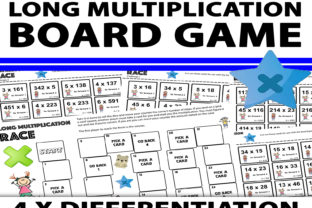
The Long Multiplication Board Game Activity is more than just a classroom tool—it's a clever way to reinforce multiplication skills without the usual resistance that comes with traditional math drills. Designed for 2–4 players, this game turns learning into a collaborative or competitive experience, depending on how you play. With just a board, some counters, and dice, players roll their way through a series of multiplication problems tailored to different skill levels.
What makes this game especially effective is its built-in differentiation. Whether you're a beginner working on 1-digit by 2-digit multiplication or more advanced with 2-digit by 3-digit problems, the four included levels ensure that every player stays challenged and engaged. It's a smart way to support varied learning paces without extra prep work.
Common Mistakes to Avoid When Using This Game
While the Long Multiplication Board Game Activity is user-friendly, there are a few common pitfalls that educators, parents, and even students can fall into. Avoiding these will help ensure the game remains a valuable learning tool rather than a frustrating or ineffective one.
Mistake #1: Skipping the Setup Instructions
It's tempting to jump straight into gameplay, especially when excitement builds. But skipping the setup instructions can lead to confusion about how to use the board correctly or interpret the rules of movement and problem-solving. This often results in inconsistent gameplay or incorrect answers being accepted.
Better approach: Take five minutes to go through the instructions together. Clarify how dice rolls translate to board movement, how to handle incorrect answers, and what happens when a player lands on a challenge square.
Mistake #2: Not Matching the Difficulty Level to the Player's Skill
One of the game's strengths is its differentiation, but that only works if you use the right level for each player. Putting a beginner on Diff. 4 (2-digit x 3-digit) too soon can lead to frustration and disengagement.
Better approach: Start with Diff. 1 or 2 and gradually increase the challenge as confidence builds. You can even mix levels in a group setting by assigning different question cards based on individual readiness.
Mistake #3: Relying Solely on the Game Without Follow-Up
The game is a fantastic practice tool, but treating it as a standalone solution without reinforcing concepts afterward can limit its effectiveness. Some players may breeze through without truly understanding their mistakes.
Better approach: Use the game as a warm-up or review activity. Follow it with a short discussion or written reflection on the problems encountered. This helps solidify understanding and encourages metacognition.
What to Check Before Playing or Purchasing
Before diving into gameplay or purchasing a copy of the Long Multiplication Board Game Activity, there are a few practical considerations to keep in mind:
- Age and skill range: Ensure the game aligns with the current math level of the intended players.
- Print quality (if downloaded): If using a digital version, check that the board and question cards are clearly legible when printed.
- Materials needed: Confirm you have enough dice, counters, and a flat surface to play comfortably.
- Time commitment: The game typically takes 15–30 minutes per round. Make sure it fits within your session or lesson plan.
Maximizing the Educational Value
One of the best ways to get the most out of the Long Multiplication Board Game Activity is to integrate it into a broader learning strategy. Here are a few tips to help you do that effectively:
- Use it as a weekly review: Incorporate the game into your regular math routine to reinforce multiplication strategies in a low-pressure setting.
- Encourage peer teaching: When a player gets a question wrong, let another player explain the correct method. This reinforces learning for both parties.
- Add a timer for advanced players: To increase challenge and mental agility, set a time limit for solving each problem.
- Track progress: Keep a simple log of which levels players have mastered. This can be motivating and help guide future gameplay choices.
Realistic Expectations and Outcomes
While the Long Multiplication Board Game Activity is a powerful tool, it’s not a magic fix for math struggles. It works best when used consistently and in combination with other instructional methods. Think of it as a way to make practice enjoyable rather than a replacement for direct instruction or problem-solving exercises.
Over time, regular use of this game can improve mental math speed, accuracy, and confidence—especially when players begin to recognize patterns in multiplication and develop their own strategies for solving problems more efficiently.
Final Thoughts: A Game That Teaches Without Feeling Like Homework
The Long Multiplication Board Game Activity is a smart, engaging way to build foundational math skills. By avoiding common mistakes like mismatched difficulty levels, skipping instructions, or treating it as a one-off activity, you can make the most of its educational potential.
Whether you're a teacher looking for a classroom-friendly resource, a parent seeking a fun way to support your child’s learning, or an independent learner wanting to sharpen your multiplication skills, this game offers a flexible and enjoyable path to mastery. Just remember to match the level to the learner, follow the rules carefully, and use it as part of a broader math strategy for the best results.