Game Equipment: Choosing the Right Digital Assets for Your Project
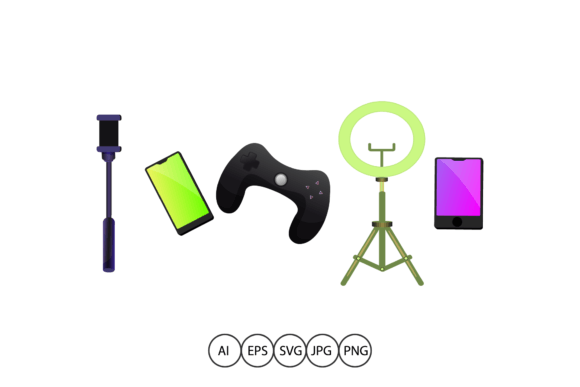
When it comes to game development, the right visual assets can make all the difference. Game Equipment refers to a collection of digital design files tailored for creators who need high-quality graphics that are both versatile and easy to edit. These assets typically include formats like AI, EPS, SVG, JPG, and PNG files set on a 1920px x 1280px canvas, ideal for a variety of game-related applications. Whether you're building a mobile game, designing promotional materials, or developing educational content, having access to well-structured digital files can streamline your workflow and elevate the final product.
Common Mistakes When Selecting Game Equipment
Many users, especially beginners, overlook key details when choosing digital assets for their projects. One of the most frequent errors is assuming that all Game Equipment is created equal. While many packages appear similar at first glance, the quality of the design, the scalability of the file formats, and the ease of customization can vary significantly. This oversight can lead to frustration down the line, especially when trying to adapt the graphics for different platforms or resolutions.
Another common issue is not verifying the compatibility of file types with the software you're using. For example, if you're working in Adobe Illustrator, having an AI file is essential. However, if you're using a simpler design tool or a game engine that supports only PNG or JPG, you might not need the vector formats. Understanding which formats you truly need can help you avoid unnecessary purchases and save time during the editing process.
Overlooking the Importance of Canvas Size
The canvas size of 1920px x 1280px is standard for many widescreen applications, but it's not always the best fit for every project. Some creators download Game Equipment without considering whether the aspect ratio matches their target platform. For instance, if you're designing for vertical mobile games or social media content, a 9:16 or 4:5 aspect ratio might be more appropriate. Using a file that doesn't align with your display requirements can lead to awkward cropping, distortion, or unnecessary scaling that degrades image quality.
To avoid this, always check the intended use of your assets and verify that the canvas dimensions align with your target resolution. If necessary, look for assets that offer flexibility in resizing or come with multiple versions to suit different formats.
Underestimating the Value of Editable Formats
One of the biggest advantages of Game Equipment is the inclusion of editable file types like AI (Adobe Illustrator), EPS (Encapsulated PostScript), and SVG (Scalable Vector Graphics). These formats allow for precise adjustments without losing quality, making them ideal for professionals who need to tweak colors, resize elements, or integrate the graphics into complex designs.
However, many users opt for only raster formats like JPG or PNG, not realizing that these are static images that can't be easily modified. If you're planning to make changes to the design or need to scale the graphics for different applications, relying solely on raster files can limit your options and reduce the overall usability of the asset.
Not Checking Licensing and Usage Rights
A critical but often overlooked step is verifying the licensing terms associated with Game Equipment. Many digital marketplaces offer assets under different usage agreements, ranging from personal use to commercial redistribution. Failing to understand these terms can lead to legal complications, especially if you're using the graphics in a product or service that generates revenue.
Before downloading or purchasing any Game Equipment, always read the license agreement carefully. Look for assets that offer clear, royalty-free usage for both personal and commercial projects. This ensures you can use the files without worrying about copyright infringement or unexpected fees.
Ignoring the Need for Consistency Across Assets
If you're working on a larger project that requires multiple design elements, consistency is key. Many creators make the mistake of downloading Game Equipment from different sources without ensuring that the visual style, color palette, and level of detail align. This can result in a disjointed appearance that detracts from the overall professionalism of the final product.
For example, mixing a highly detailed, realistic asset with a stylized, cartoonish one can create visual confusion and reduce the cohesiveness of your design. To avoid this, consider purchasing Game Equipment from the same creator or within the same design series to maintain a unified look and feel.
How to Make the Most of Your Game Equipment
To get the best value from Game Equipment, start by clearly defining your project needs. Ask yourself the following questions:
- What file formats do I need for my design software or platform?
- Will I need to scale or modify the graphics?
- What resolution and aspect ratio are required for my target display?
- Do I have the right to use the asset commercially?
- Does the visual style match the rest of my project?
By answering these questions upfront, you can narrow down your options and select the most suitable assets for your specific use case. Additionally, take the time to preview the files before purchasing, if possible. Many marketplaces offer sample previews or downloadable demos that allow you to test the quality and compatibility of the files.
Realistic Examples and Better Approaches
Let’s say you're creating a mobile game and need background elements that can be resized without losing quality. You might be tempted to download a free PNG file, only to find out later that it becomes pixelated when scaled up. A better approach would be to invest in Game Equipment that includes SVG or AI files, which can be resized infinitely without any loss of clarity.
Another scenario involves a small business owner designing promotional banners for a game launch. They might download a JPG file thinking it's sufficient, but later realize they need to adjust the colors to match their brand. Since JPGs are not easily editable, this can become a time-consuming and frustrating process. In contrast, having access to an AI or EPS file would allow for quick color adjustments and seamless integration into marketing materials.
Final Thoughts
Choosing the right Game Equipment is more than just finding a visually appealing asset—it's about ensuring that the files meet your technical, creative, and legal requirements. By avoiding common pitfalls like mismatched formats, incorrect canvas sizes, and unclear licensing, you can save time, reduce frustration, and produce higher-quality results. Always take a moment to evaluate your needs and double-check the details before making a purchase. With the right approach, Game Equipment can be a powerful tool in your creative arsenal.